


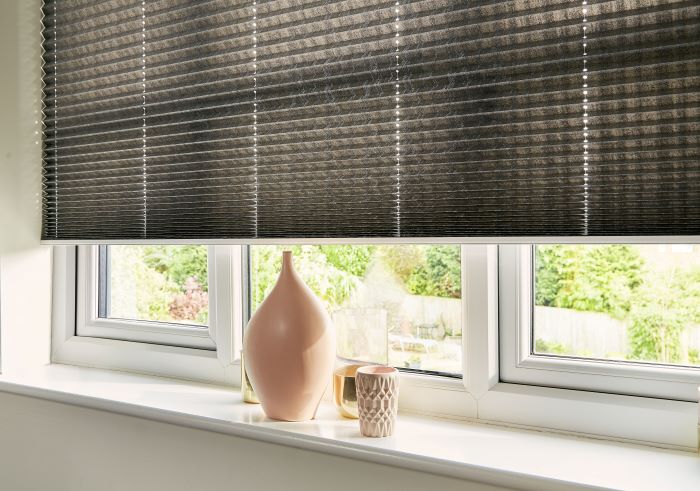
If you’ve been looking for the perfect window treatment for your home, you’ve probably stumbled upon the term honeycomb blinds. You might be asking yourself, “What are honeycomb blinds and how do they work?” Well, we have the answers to all your honeycomb blind questions.
Let’s get clear on honeycomb blinds, also known as cellular shades, and discover why these energy-efficient blinds have become so popular. Not only do they offer fantastic insulation, but they’re also stylish and functional—perfect for modern homes looking to combine aesthetics with practicality. Here’s why we think you’ll love them…
What Are Honeycomb Blinds and How Do They Work?
Honeycomb blinds, or cellular shades, get their name from the unique honeycomb-shaped cells within the blinds. These cells trap air, creating an insulating barrier between your window blinds and your room. Think of it as giving your windows an extra layer of protection to keep the warmth in during winter and the heat out during summer.
The key to their energy-efficient nature lies in these cells. By trapping air, honeycomb blinds help regulate the temperature in your home without overworking your heating or cooling systems. If you’re after insulated blinds that can significantly lower your energy bills, honeycomb blinds might just be the solution for you.
Benefits of Honeycomb Blinds for Energy Efficiency
You might be wondering, what are the benefits of honeycomb blinds for energy efficiency? Well, here’s a breakdown:
- Insulation: The cellular structure helps trap air, which acts as an insulating layer. This can greatly reduce heat loss in colder months and keep your home cooler in summer.
- Lower Energy Costs: Independent research by the British Blind and Shutter Association (BBSA) indicates that honeycomb blinds can reduce heat loss through windows by up to 33%. This statistic highlights the energy-saving potential of using blinds and shutters in British homes, particularly during winter when heat retention is crucial.
- UV Protection: The blinds also block harmful UV rays, protecting your home’s interior, such as furniture and flooring, from fading over time.
How Do Honeycomb Blinds Reduce Energy Costs?
Still wondering, “How do honeycomb blinds reduce energy costs?” It all comes down to insulation. Uncovered windows are responsible for a lot of heat loss in winter and heat gain in summer, forcing your home to use more energy to maintain a comfortable temperature.
By creating a thermal barrier, honeycomb blinds help reduce the amount of air that escapes or enters through your windows. Double-cell honeycomb blinds, which have two layers of cells, provide even better insulation than single-cell versions, making them even more effective at reducing energy costs.
How to Choose Honeycomb Blinds for Your Home
With so many options available, you might be asking, “How to choose honeycomb blinds for your home?” Here’s a simple guide:
Light Control: Are you looking for light-filtering blinds that allow a soft glow, or would you prefer blackout blinds that block out all light? Honeycomb blinds come in both options, making them ideal for bedrooms, living rooms, and even home offices.
Corded vs. Cordless: For a modern, streamlined look, consider cordless blinds. Not only do they eliminate the risk of dangling cords (perfect for homes with children or pets), but they also give your windows a cleaner, more minimalistic appearance.
Single vs. Double Cells: If energy efficiency is your priority, you might want to go for double-cell honeycomb blinds. These provide even more insulation than single-cell blinds, making them perfect for colder climates or rooms that experience large temperature fluctuations.
Style and Colour: Blinds for windows come in a wide range of colours and patterns to suit any interior. Whether you’re after something neutral to blend in, or a bold colour to make a statement, there’s an option to fit your style.
Difference Between Honeycomb Blinds and Cellular Shades
Now, let’s clear up any confusion. You might be asking, “What’s the difference between honeycomb blinds and cellular shades?” The answer is simple: there isn’t one! Both names refer to the same type of blinds, characterised by their honeycomb-shaped cells that provide insulation and energy efficiency.
So, whether you call them honeycomb blinds or cellular shades, you’ll be getting the same benefits.
Are Honeycomb Blinds Good for Insulation?
If you’ve been wondering, “Are honeycomb blinds good for insulation?” the answer is a resounding yes! These insulated blinds work by trapping air, which helps maintain a stable indoor temperature. This can reduce your reliance on heating and cooling, saving you money on energy bills.
In particular, double-cell honeycomb blinds are especially effective in colder climates or rooms where heat loss is a concern. They’re perfect for keeping your home toasty warm in the winter and cool in the summer, making them a great long-term investment in your home’s comfort.
Other Benefits of Honeycomb Blinds
While energy efficiency is one of the main selling points, honeycomb blinds have a host of other advantages:
- Soundproofing: The cellular structure also provides some sound insulation, making them ideal for homes on busy streets or in noisy neighbourhoods.
- Versatility: Whether you’re looking for home window treatments for the living room, bedroom, or even kitchen, honeycomb blinds offer a versatile and modern solution.
- Affordability: Compared to other custom window treatments, honeycomb blinds are a relatively affordable option, especially considering the energy savings they provide in the long run.
Free consultation and measuring at a time to suit you
We will guide you through the process, provide expert advice and suitable blinds and shutter recommendations.
So why wait? Contact us today and let us help you transform your home with your perfect choice of window coverings!
FAQs About Honeycomb Blinds
What are honeycomb blinds and how do they work?
Honeycomb blinds, also known as cellular shades, work by trapping air in their honeycomb-shaped cells, providing insulation and helping to regulate your home’s temperature.
Are honeycomb blinds good for insulation?
Yes, honeycomb blinds are excellent for insulation. They help keep your home warm in winter and cool in summer by reducing heat transfer through windows.
How do honeycomb blinds reduce energy costs?
By creating an insulating layer, honeycomb blinds reduce the amount of heating and cooling required to maintain a comfortable temperature, which in turn lowers energy costs.
What’s the difference between honeycomb blinds and cellular shades?
There’s no difference—honeycomb blinds and cellular shades are two names for the same product.
How to choose honeycomb blinds for your home?
Consider factors like whether you need light-filtering blinds or blackout blinds, if you prefer cordless blinds, and if you need single or double-cell blinds for better insulation.
Are Honeycomb Blinds Right For You?
So, what are honeycomb blinds? They’re a stylish, functional, and energy-efficient solution for any home. Whether you need insulation, light control, or a modern touch for your windows, honeycomb blinds have got you covered.
By improving insulation, lowering energy costs, and offering customisable options like cordless blinds or blackout blinds, they make a smart choice for homeowners looking to combine form with function. So, whether you’re after blinds for windows in your bedroom, living room, or anywhere else, we can help you find the right honeycomb blinds for your home. Get in touch today for expert guidance and friendly service.
Discover how honeycomb blinds can reduce heat loss by up to 33%, saving energy and enhancing home comfort year-round.


